
A few days before we departed for the Galápagos Islands, a friend of mine remarked that Adam and I seem to specialize in bucket list travel. She’s not wrong; maximizing our vacation time has led to minimizing our boundaries regarding exploration. We have embraced a no flight too long, no destination too remote mentality that has launched us to all corners of the planet. Still, not every trip is easy to move from the bucket list to the been to list. Some places are just hard to visit; barriers like logistics and expenses can be hard to overcome. This year, the Galápagos Islands finally made their move; a bucket list item no more, we have a week’s worth of incredible memories that prove some experiences are worth waiting for.
What Are the Galapagos Islands?

Today, the Galápagos Islands are often referred to as a “living laboratory of evolution” because of their connection to Darwin’s transformative scientific discoveries. Visitors are drawn to the islands for their unparalleled opportunities to experience nature, including snorkeling, hiking volcanic trails, and observing wildlife up close in its natural habitat.
Planning a Galapagos Islands Trip
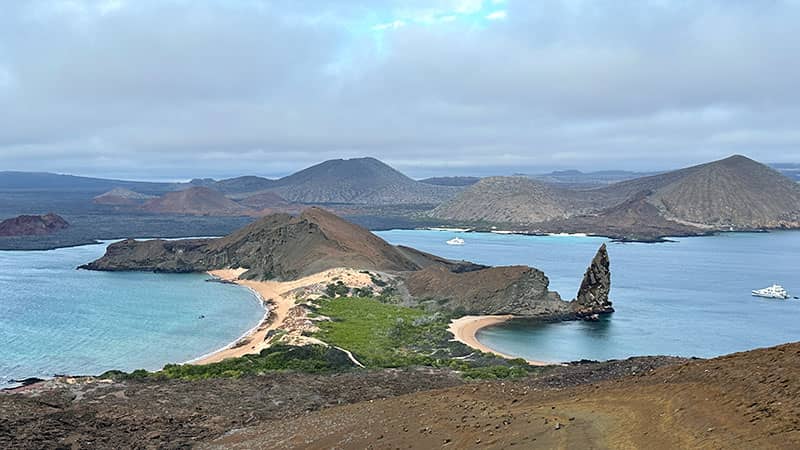 Like any good adventure, planning a trip to the Galápagos Islands requires a decent amount of research and several key decisions. The most important decision to make is whether to base yourself on one of the islands or opt for a live aboard experience.
There are several islands that boast a decent hotel infrastructure, which means it’s very possible to pick a hotel and visit the islands via a series of day trips. Doing so can be a less expensive experience, although it comes with some limitations: not every destination can be reached from where hotels are located, which can translate to missed experiences.
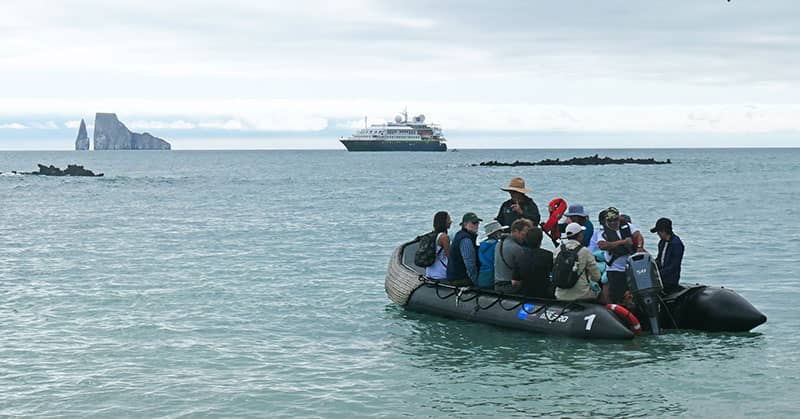
Thanks to Adam’s connection to National Geographic-Lindblad Expeditions, we boarded the remarkable National Geographic Islander II and sailed between our destinations during 6 days on the water. It’s no secret that we love expedition travel; while the price tag is often higher, we didn’t have to worry about the logistics that can make travel planning daunting. Our guides were part of the experience, our national park entrance fee was included, and our hotel floated along with us, which meant we could shower between excursions and enjoy meals as the crew navigated to the next spot on our itinerary. The convenience factor during trips like this cannot be understated; it makes a world of difference when you can pack a day bag for a single spot, knowing you’ll be back in just a few hours to refill a water bottle or change from wet to dry clothing. Knowing we didn’t have to worry about any detail freed up all the mental space we needed to relax and soak in every moment of our visit.
Getting to the Galapagos
 The Galápagos Islands are in a remote location, and getting there requires a flight from mainland Ecuador. We arrived in the coastal city of Guayaquil two days before our expedition was scheduled to depart, an intentional choice because I always worry about missed connections and flight cancellations. We encountered both of those on our way to Guayaquil, and while we ultimately arrived just a few hours later than expected, at least a little stress was alleviated knowing we weren’t going to miss our boat. Be sure to build in extra time for travel mishaps so your once-in-a-lifetime trip doesn’t evaporate while you sit on a runway.
Most trips begin with a charter flight from either Quito or Guayaquil, and we selected Guayaquil because Quito’s altitude can be daunting for those prone to altitude sickness. We visited Quito for a long weekend a while back and certainly felt the effects of life at 9300 feet above sea level. Because we were traveling with family—including our 7- and 11-year-old nieces—we didn’t want to risk starting the trip feeling nauseous. National Geographic-Lindblad Expeditions provided rooms at the gorgeous Hotel del Parque, which offered fantastic meals and even an on-grounds zoo that we all loved exploring. The rooms were impeccably decorated and full of comfortable, modern conveniences, including oversized showers and wonderfully cozy beds. We also really loved that our luggage was picked up from our hotel rooms and expertly delivered directly to our suites on the ship, which meant we didn’t have to worry about rolling suitcases through the airport or waiting for checked luggage at the carousel.
More Information: Booking.com/del-parque
What to Do in the Galapagos Islands
 A visit to the Galápagos Islands typically involves a highly choreographed itinerary established in partnership by tour operators and the national park team. The goal is for visitors to enjoy uncrowded experiences that give firsthand access to each location, which means you don’t often see more than one or two boats in a single location—and, more often than not, the 40 guests aboard the National Geographic Islander II were the only ones in a given spot.
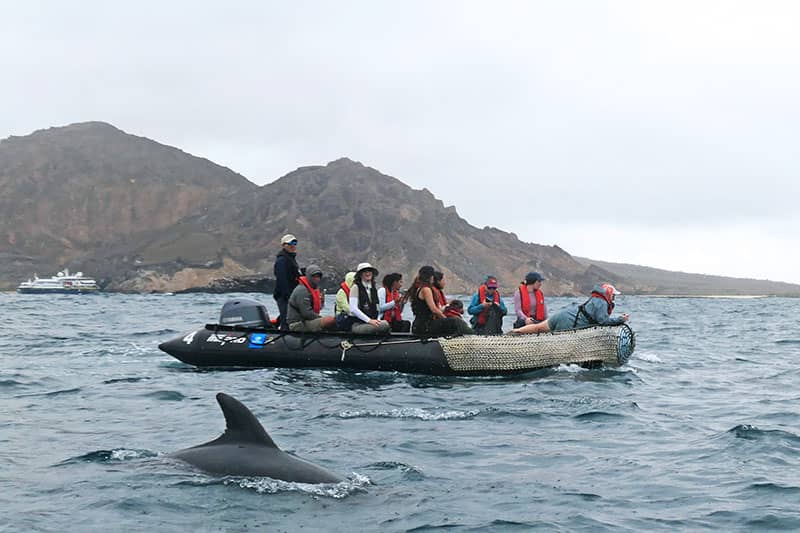
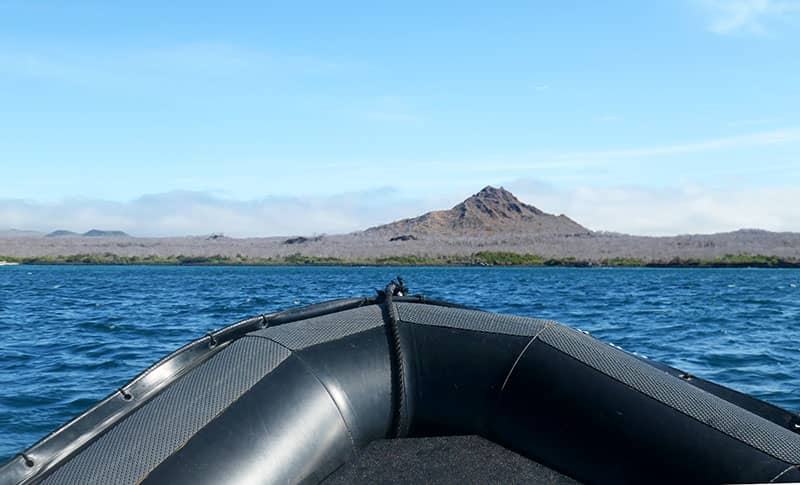
Our days followed an easy flow. Mornings came early, with a wakeup call shortly after sunrise and breakfast served right away. Then, it was into the zodiacs and off to an island for hiking, snorkeling or relaxing in the sun on the beach. Activities were curated for all ages, abilities, and interests; some hikes were strenuous and involved traversing uneven, rocky surfaces or steep hills and stairs, while others were slower and gentler on sandy surfaces. If hiking wasn’t of interest, wet suits and flippers were available for snorkeling, sometimes in deep water and other times right off the beach. Zodiacs were regularly loaded with guests interested in seeing the islands from the water. And staying on the ship was always a tempting option; from rocking in hammocks to curling up under a blanket on a lounge chair with a beverage from the bar, some of the best moments were those enjoyed in quiet reflection on how amazing our planet really is.
More Information: Expeditions.com
Wildlife in the Galapagos Islands
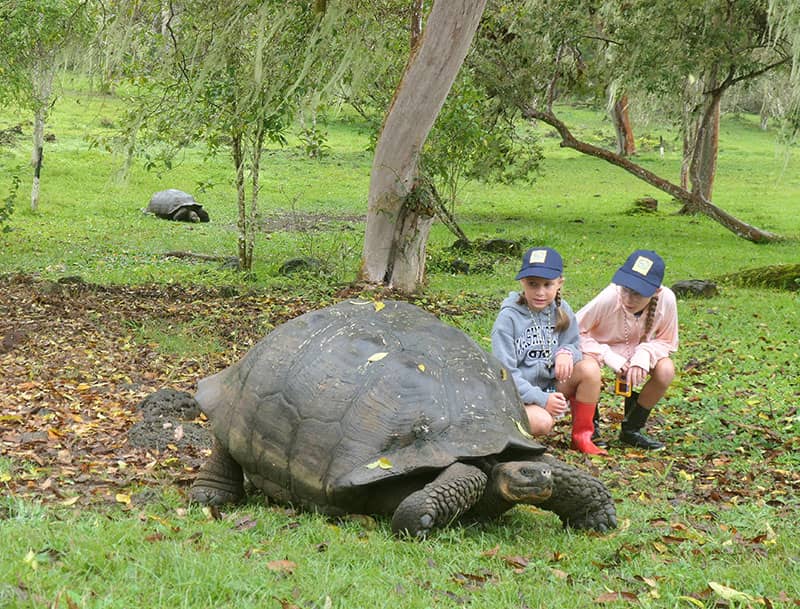
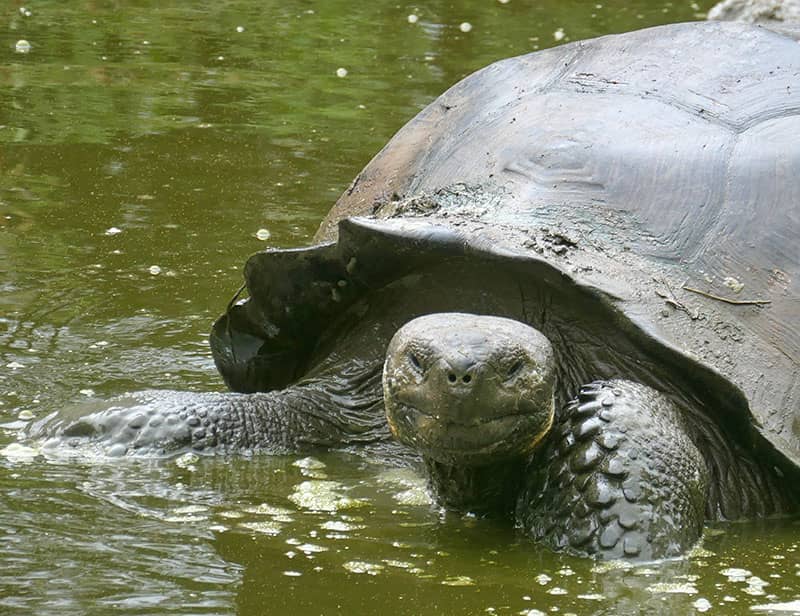
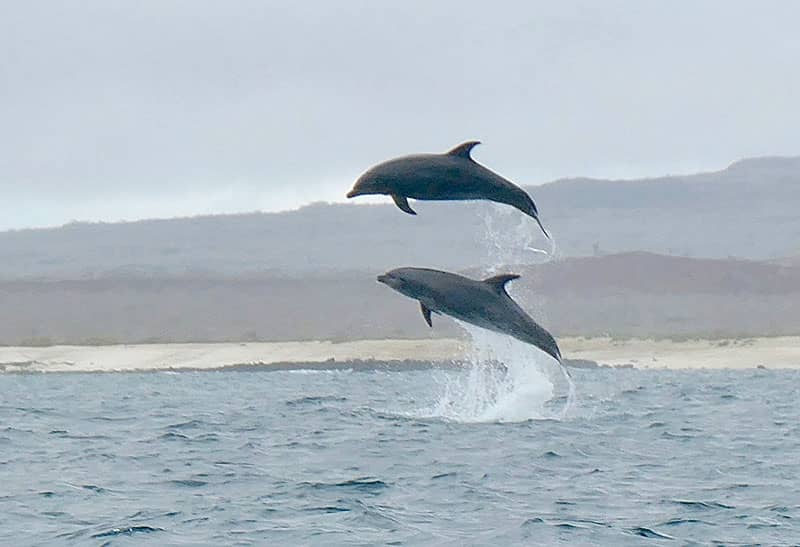
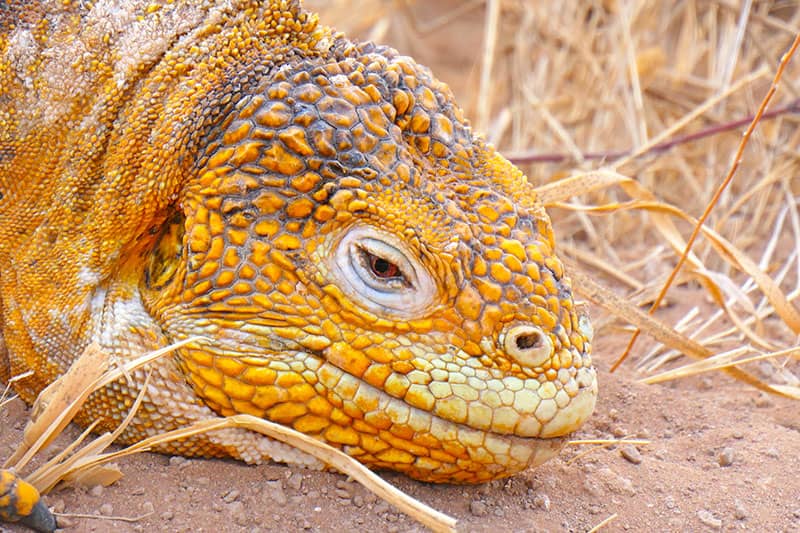
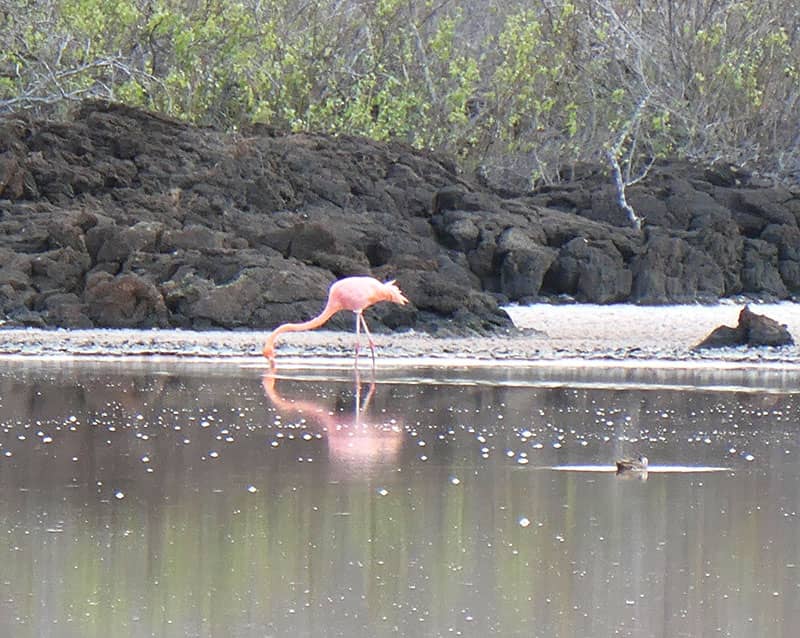
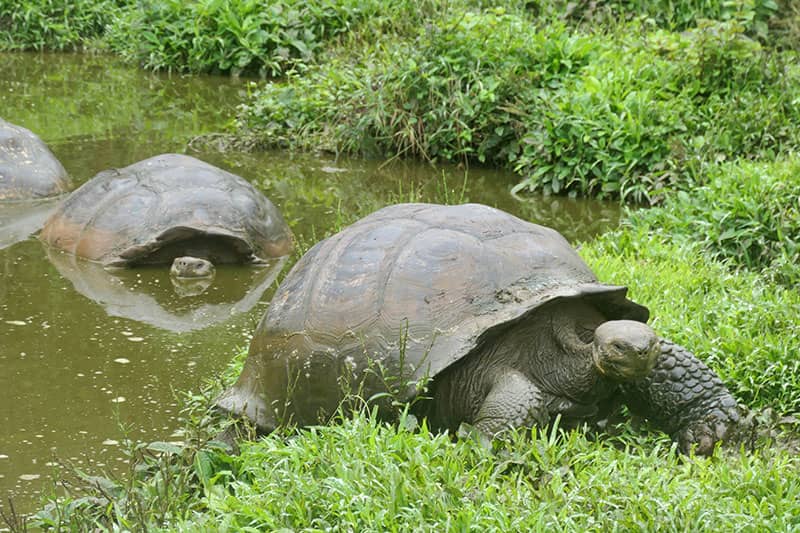
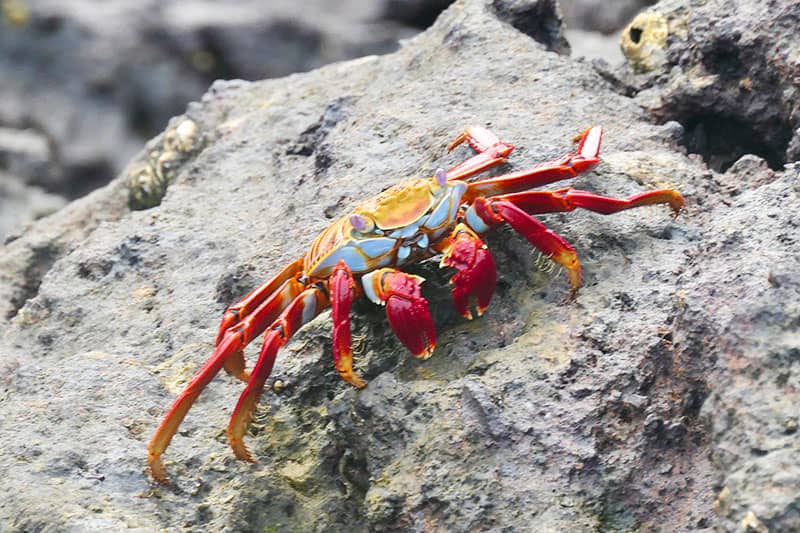
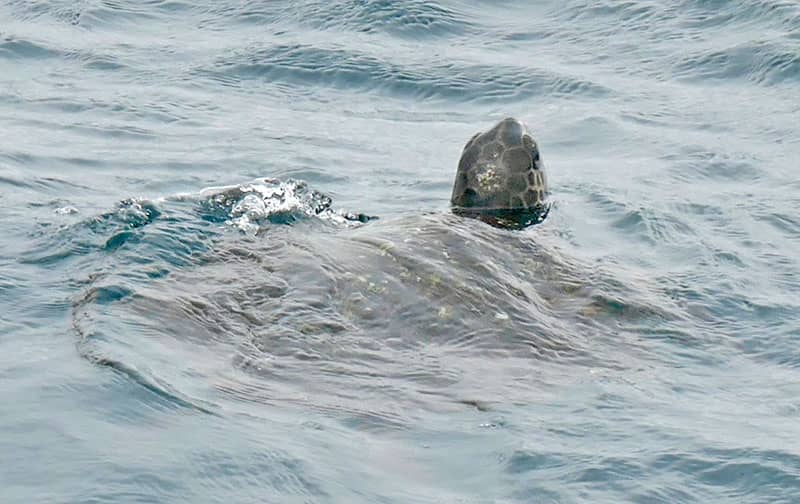
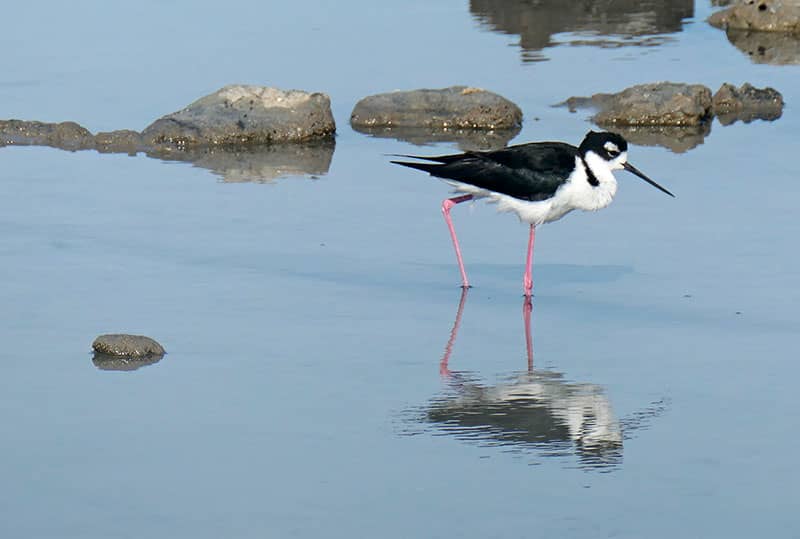
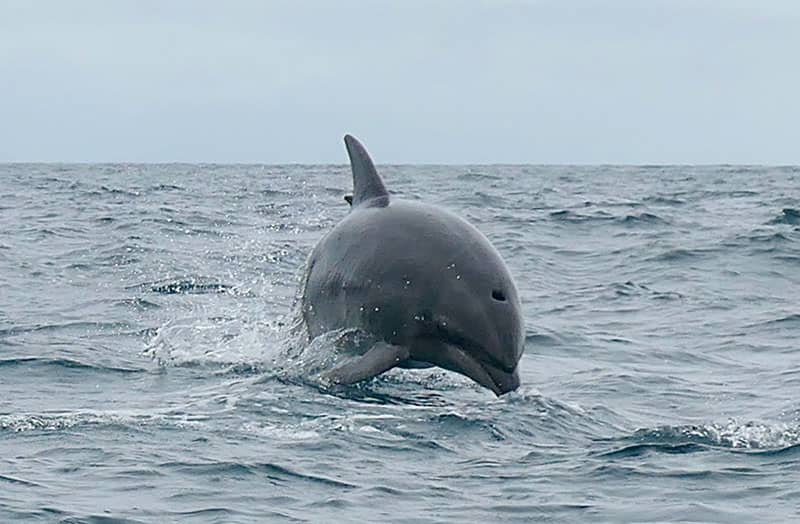
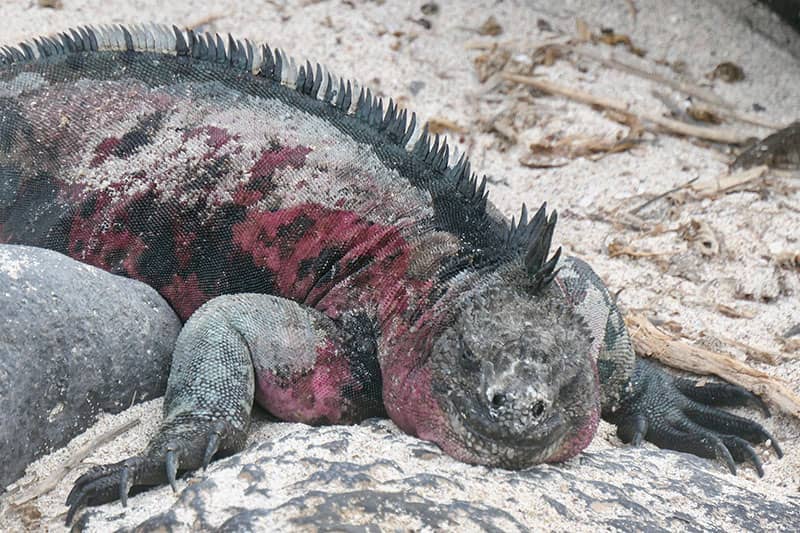
If you’re thinking about a trip to the Galápagos Islands, you most likely know what to expect: giant tortoises. Blue footed boobies. Iguanas, Sea lions. Lava lizards. We saw them all.
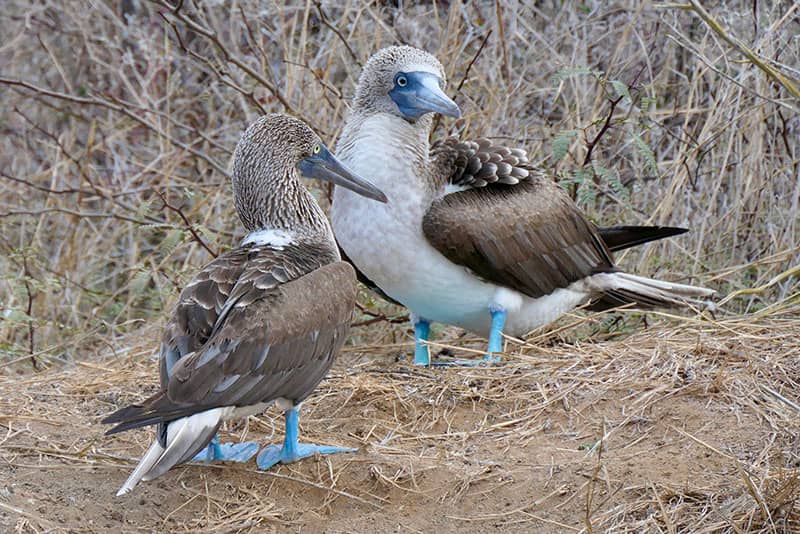
Visiting requires a commitment to responsibility and restraint. Much like we experienced during our trip to Antarctica, the Galápagos Islands are filled with animals best described as naïve; they are not wired to fear humans, and tourists are repeatedly reminded to offer animals the space they both want and need. Fear is something learned; it is not necessarily something we are born with. If humans do not give animals reason to fear them, fear will not be coded into their genetics and passed down through generations.
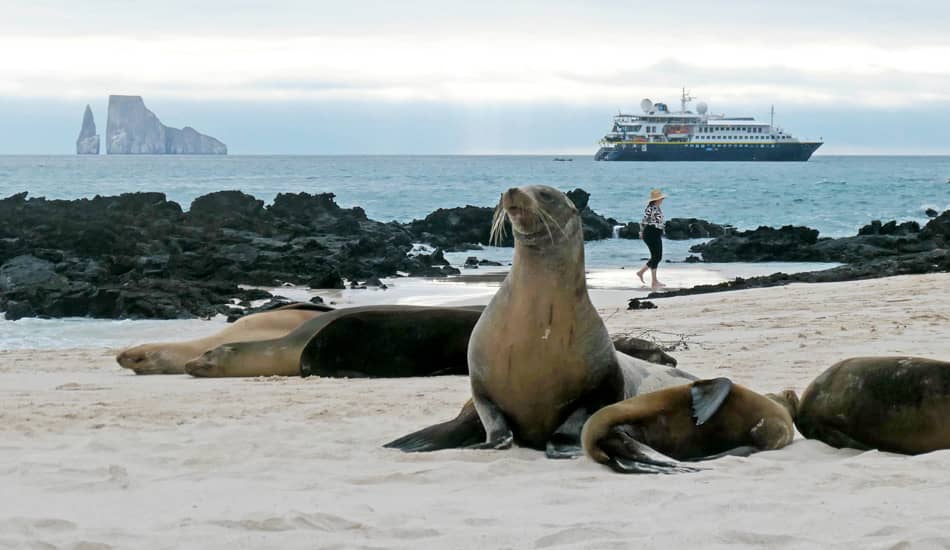
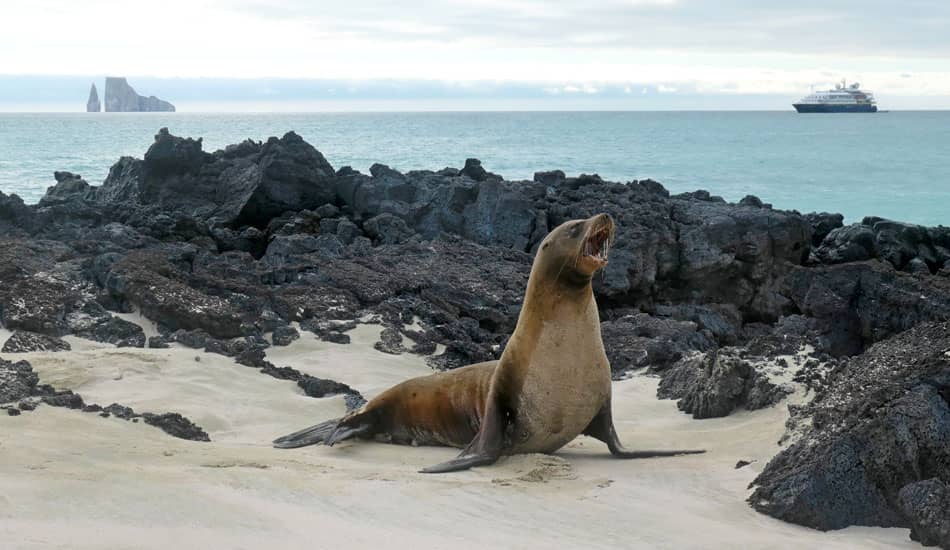
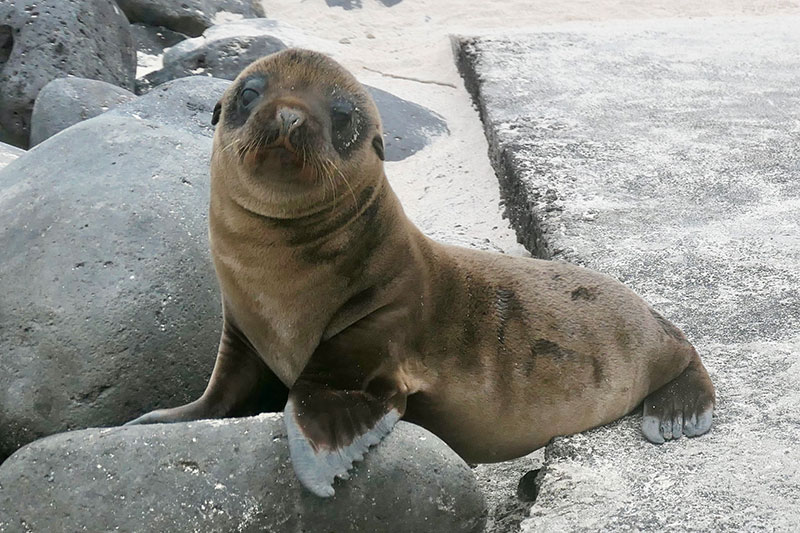
Generally, animals didn’t seem remotely bothered by the bipeds that washed up on the shore, splashing into the water during a less than graceful dismount from the zodiacs that transported us from the ship. A few sleepy sea lions opened their eyes long enough to size up the source of the noise before rolling over, batting away a few flies, and returning to their slumber on the beach. On one morning in particular, our itinerary included nothing more than spending two hours walking along the beaches of San Cristobal. We never ventured more than 500 feet from our landing spot; we quickly encountered a group of sea lions and needed nothing more than to spend our time in quiet conversation on the beach next to them as we admired their simple existence on the wild island.
A big benefit to spending time in the company of naïve wildlife is becoming the subject of their curiosity. Visitors are bound by strict rules: we couldn’t get too close to the animals or engage with them, but the animals were not held to the same standard. On one afternoon, I found myself the target of an adorably curious trio of baby sea lions who surrounded me and gazed up with huge eyes, clearly hoping I might have a treat to offer them. Earlier that day, my niece Chloe sat on the sand as a solo baby sea lion approached her and tried to snuggle up next to her, recognizing that Chloe was just a kid at the beach, too. We were careful not to touch any of the animals that approached us, but it was breathtaking to experience wildlife that was just as interested in us as we were in them.
What to Expect When Visiting the Galapagos Islands
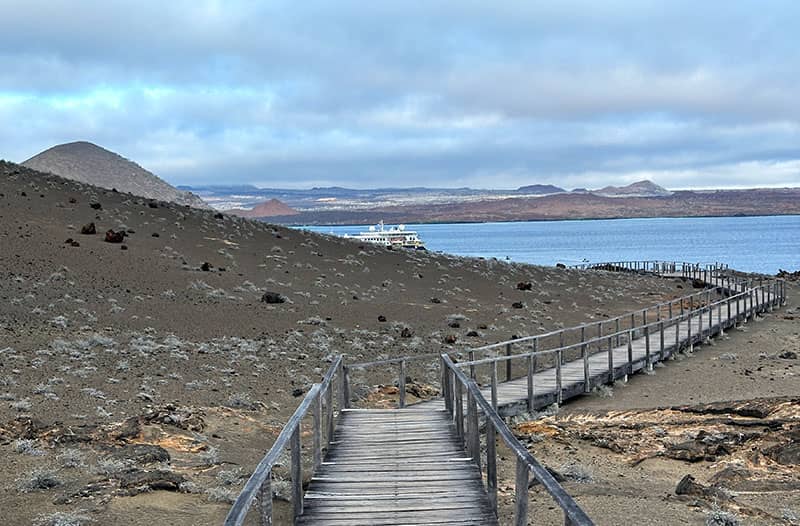 In many ways, the Galápagos Islands are among the more quirky, unexpected locations we have visited. We have a few tips to help you embrace what you’ll experience during your visit.
Don’t expect amenities. Limit your coffee intake when you wake up, even if the mornings are early: there are absolutely no amenities on most islands. You won’t find toilets, running water, places to fill a water bottle, or snack shops—in fact, taking food onto the islands is forbidden. While most of our landings were under two hours, that can be a long time to wait for a bathroom break or a meal. Take care to plan accordingly.
Visit the Post Office. Most tour operators will offer you a couple of post cards to send back home, but don’t worry about bringing your own stamps. The Post Office on Floreana Island is a barrel where travelers have been leaving and collecting postcards since the 18th century. You can leave a postcard, and you can take one destined for someone who lives near you to deliver by hand—keeping an old maritime tradition alive.
Guides Are Required. Licensed guides are a must for visiting the Galápagos Islands; it isn’t possible to undertake a true DIY itinerary due to the national park’s requirements. Guides can be hired on the spot, but you may want to do some research and book tours in advance to be sure you visit the destinations you most want to see. This is another reason why a more all-inclusive option may be desirable; water-based itineraries will include registered guides to accompany you on your trip. Traveling with the guides is a huge part of the experience; they can point out spots of interest, spot animals hiding from clear view, and answer questions that bring new levels of depth and dimension to your understanding.
Should You Visit the Galápagos Islands?
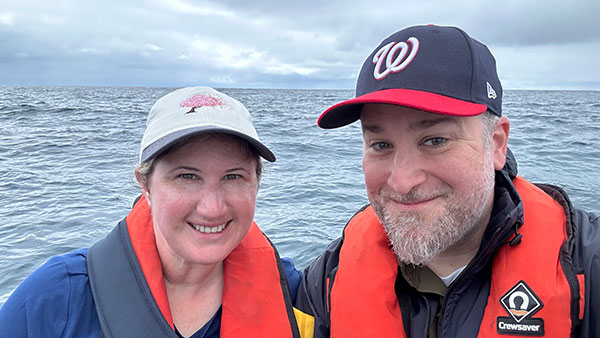 In a word, yes. Yes, you should.
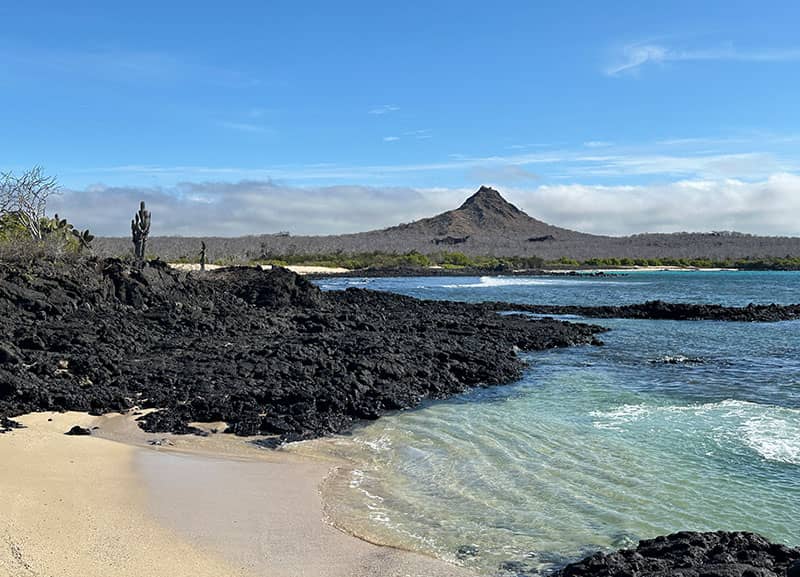
There are a lot of magical places on this planet, and the Galápagos Islands are chief among them. We just can’t understate the thrill of standing eye to eye with a giant tortoise, feeling the waters swirl around you as you snorkel past schools of fish, or stand atop a hardened lava flow gazing out at one of nature’s finest playgrounds.
The real magic, though, is after those moments. Sitting at dinner with my family, hearing our nieces Phoebe and Chloe recount their favorite highlights and newly treasured memories, made the journey all the more worth it. Standing in the ocean with my mom while watching sea lions play around us is etched into my own memories, as is enjoying a cocktail on the ship with my dad and stargazing with my brother-in-law Wes and my sister, Kaitlynn. Adam and I have taken vacations to so many wild places over the years, and weaving the Galápagos Islands into our travel tapestry is yet another unforgettable highlight.
Almost two hundred years ago, Charles Darwin stood on the coast of San Cristobal Island and looked out at Kicker Rock, a dramatic volcanic formation that juts out of the water. On our last day in the Galapagos Islands, we stood in that same spot and absorbed that same view. A few hours later, as the National Geographic Islander II sailed around the rock and the sun set on our vacation, I took a few moments to myself to reflect on the trip and on my friend who remarked that Adam and I seem to specialize in bucket list travel. Life is unpredictable, complex, and so very short. Of all the things to specialize in, bucket list travel and making the most of every vacation isn’t a bad focus to have.
Related Posts
Planning a trip to this part of the world? Here are a few more places we’ve written about!



Note: This article shares our experience as part of a National Geographic-Lindblad Expeditions trip, and Adam is a Lindblad employee. The content reflects our views and experiences and is not representative or influenced by Adam’s affiliation with the company.